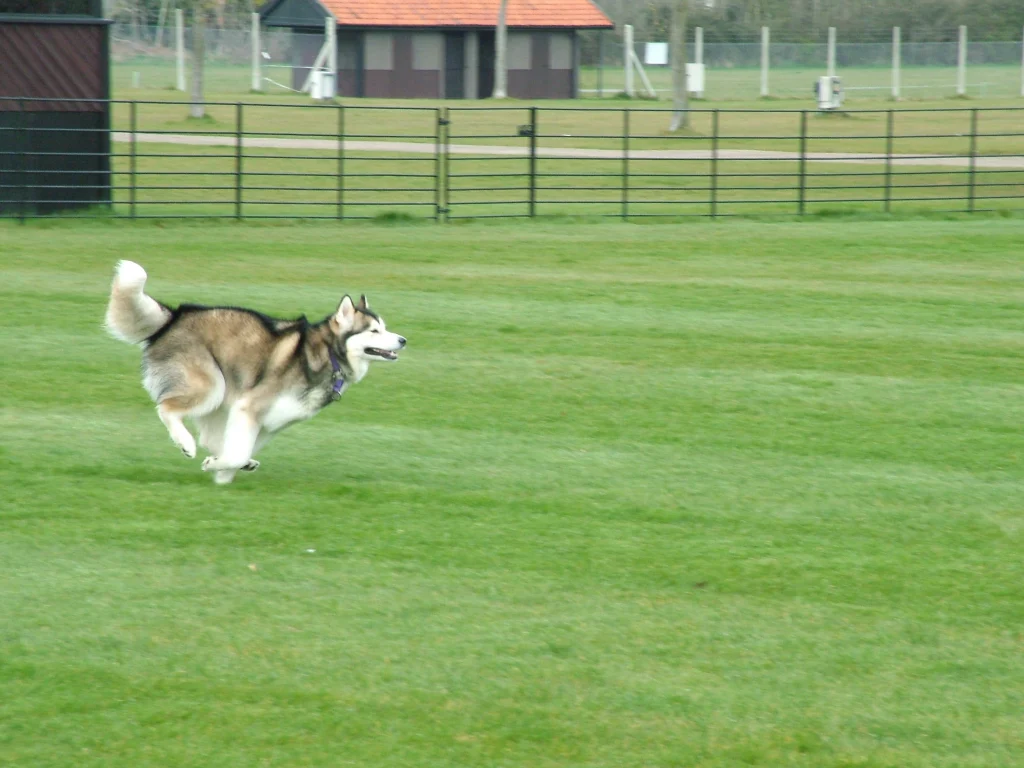
Please take the time to consider your decision, to own this breed very carefully. We recommend you do lots of research on this breed to ensure this is the right dog for your family and lifestyle.
There are too many malamutes abandoned in animal shelters where people have not done there research.
Unfortunately, when a Malamute puppy is taken home by someone who has not taken into consideration the time and attention the dog ownership needs, it is the puppy who suffers when he/she is abandoned or placed into a shelter.

Start your research by
Going to some dog shows, please see the link section for finding an event
Going to some working rallies, please see the link section for finding an event
Visit the AMCUK website
Buy good dog books especially a book about the breed
Phone and meet reputable breeders
General Appearance Heavily boned, powerfully built, not too compact and never appearing short on the leg.
Characteristics A freighting sled dog capable of surviving in Arctic conditions and of pulling heavy loads at steady speeds.
Temperament Affectionate, friendly, loyal, devoted companion but not a ‘one man’ dog, playful on invitation, generally impressive by his dignity after maturity but tends to show dominance to other dogs.
Head and Skull Head broad, powerful, not coarse, in proportion to size of dog. Skull broad between ears, gradually narrowing to eyes, moderately rounded between ears, flattening on top as it approaches eye, rounding off to moderately flat cheeks. Very slight but perceptible stop. Muzzle large in proportion to size of skull, scarcely diminishing in width or depth from stop. Nose black except in red and white dogs when it is brown. Pink streaked ‘snow nose’ acceptable.
Eyes Brown, almond-shaped, moderately large, set obliquely. Dark eyes preferred, except in red and white dogs where light eyes are permissible. Blue eyes highly undesirable.
Ears Small in proportion to head. Triangular in shape, slightly rounded at tips, set wide apart, at back of skull. Ears forward when erect. When dog is working sometimes folded against skull.
Mouth Upper and lower jaws broad with large teeth, with a perfect, regular and complete scissor bite, i.e. upper teeth closely overlapping lower teeth and set square to the jaws.
Neck Strong and moderately arched.
Forequarters Shoulders moderately sloping; forelegs heavily boned and well muscled, straight as far as pasterns which are short, strong and almost vertical viewed from side.
Body Strong and powerfully built, chest strong and deep; back straight but not level, sloping slightly downwards from shoulder to croup. Loins well muscled, never so short as to interfere with movement. No excess weight.
Hindquarters Hindlegs broad and powerfully muscled through thighs; stifles moderately bent, hock joints broad and strong, moderately bent and well let down. Viewed from behind, hindlegs vertical, standing and moving true, in line with movement of front legs. Legs indicate tremendous propelling power.
Feet Large and compact, toes close, well arched, pads thick and tough, toenails short and strong. Protective growth of hair between toes.
Tail Moderately high set, following line of spine at start then curving gently upwards. At rest may hang straight down. Well furred and carried over back when dog is working, not tightly curled to rest on back, nor short furred and carried like a fox brush, but giving appearance of a waving plume.
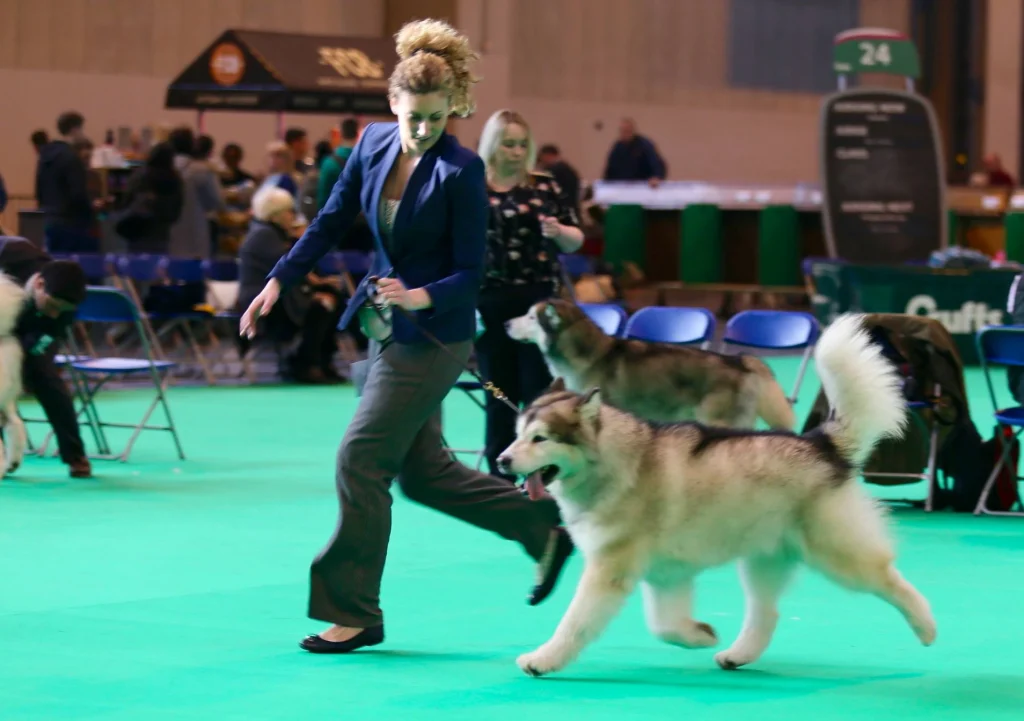
Gait/Movement Single tracking at trot is normal but movement not too wide or too close at any gait. Easy, tireless, rhythmic movement, produced by powerful drive from hindquarters.
Coat Thick, coarse guard coat, not long and soft. Dense undercoat, from 2.5-5 cms (1-2 ins) in depth, oily and woolly. Coarse guard coat stands out, with thick fur around neck. Guard coat varies in length as does undercoat, but in general coat of medium length along sides of body, increasing somewhat around shoulders and neck, down back and over croup, as well as in breeching and plume.
Colour Range is from light grey through intermediate shadings to black, or from gold through shades of red to liver, always with white on underbody, parts of legs, feet and part of mask markings. Markings either caplike or masklike on face. Combination of cap and mask not unusual. White blaze on forehead, white collar, or spot on nape permissible. Heavy mantling of unbroken colour acceptable, broken colour extending over body in spots or uneven splashings undesirable. Only solid colour permissible is all white.
Size The preferred sizes at the shoulder are: Dogs: 64 cms (25 ins), 39 kgs (85lbs); Bitches: 58 cms (23 ins), 34 kgs (75lbs). Consideration of size should not outweigh that of type, proportion, movement and any other functional attributes.
Faults Any departure from the foregoing points should be considered a fault and the seriousness with which the fault should be regarded should be in exact proportion to its degree and its effect upon the health and welfare of the dog and on the dog’s ability to perform its traditional work.
Note Male animals should have two apparently normal testicles fully descended into the scrotum.
The Alaskan Malamute is considered to be one of the healthier breeds around
There are currently 4 health issues for the Alaskan Malamute recorded by the Kennel Club
Hip Dysplasia
Hereditary Cataracts
Polyneuropathy
Cone Degeneration

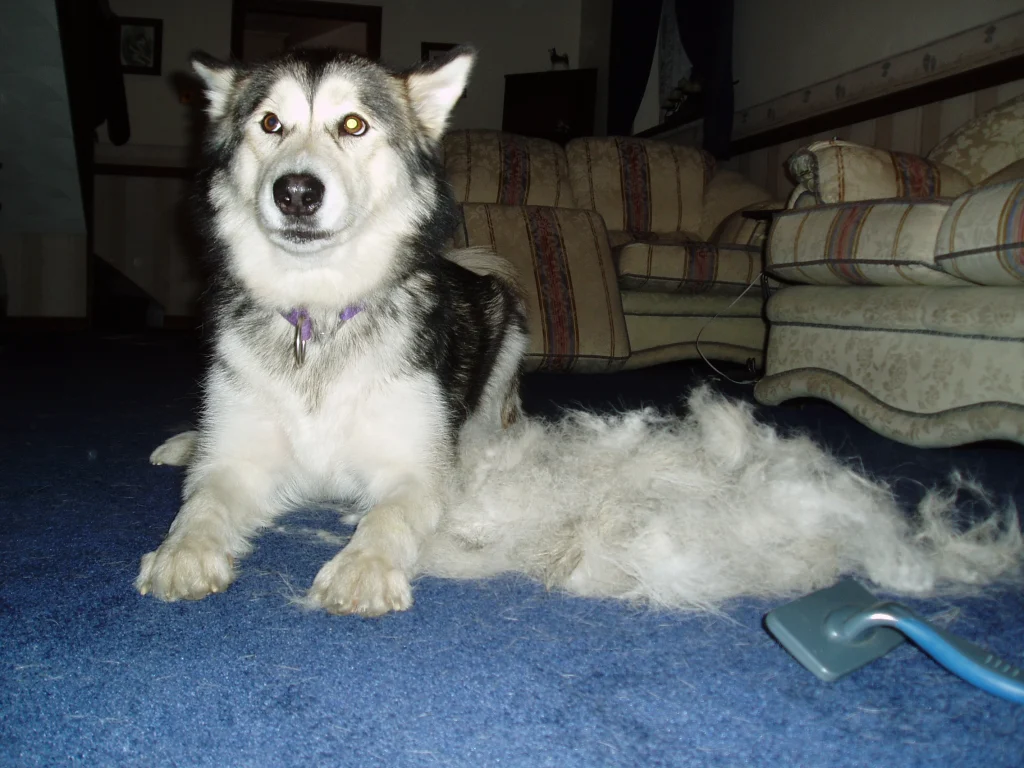
Alaskan Malamutes, aside from the occasional invasion of masses of fur when they are shedding coat, are excellent house dogs. They are surprisingly quiet and extremely clean dogs. They will often pick out a favorite sleeping spot and stay there for hours. Favorite spots seem to be cooled tiled floors in warm weather, sofa or beds at other times!
The Alaskan malamute has a life expectancy of approximately 10-12 years.
Size (weight) * * * * *
Grooming required * * * *
Exercise required * * * * *
Living space * * * * *
Training required * * * *
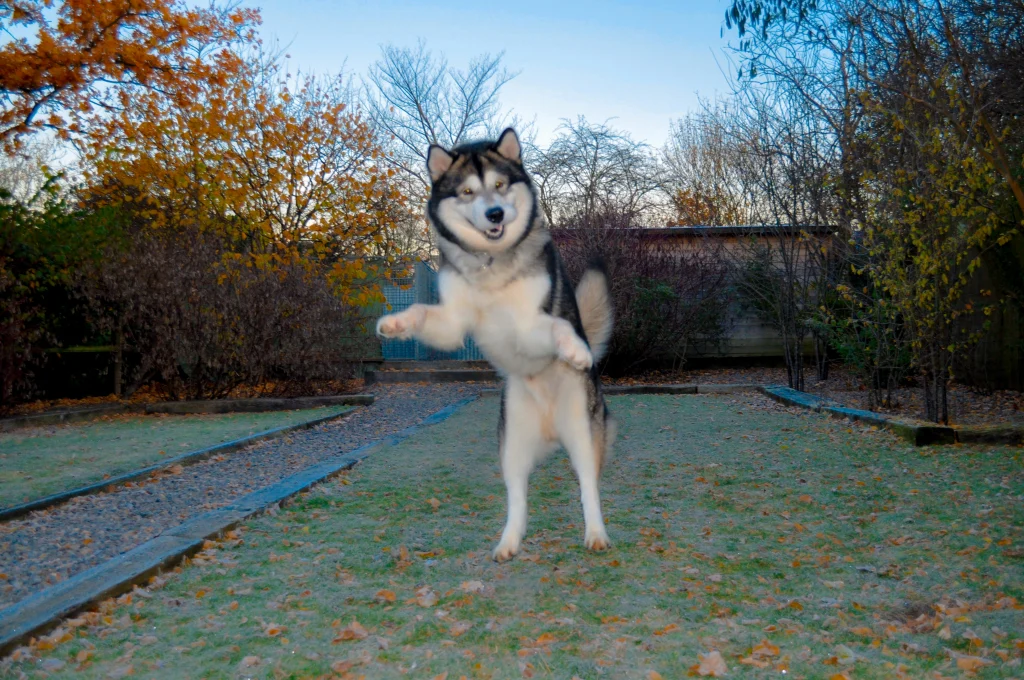
The Alaskan malamute is a very loving and beautiful breed. It has been said that the malamute may be the most intelligent, whilst also being the most independent.
This breed sometimes has a mind of its own, and they are known for being very stubborn. It is important to teach them from an early age that you are the alpha pack leader and won’t take any nonsense. You need to have confidence with this magnificent breed.
Alaskan malamute are very friendly and love to say hi to everyone, which makes them unsuitable as a watch/guard dog. Due to their gentle temperament the Alaskan Malamute is generally a very good family dog. They seem to enjoy the company of children, though common sense must be used when mixing any dog with young children. Due to the strength and size of the breed you will need to keep a watchful eye on them. Even a young playful pup can easily knock down a small child. Malamutes adore children when raised with them.
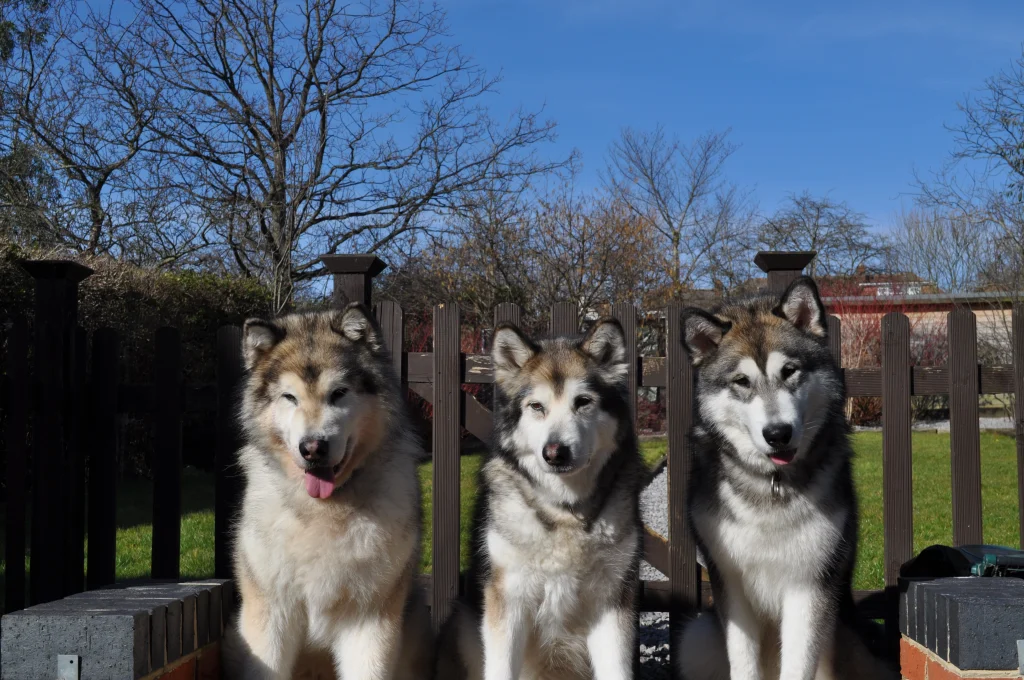
The Alaskan Malamute is a working breed and must have regular opportunities to vent their energy. Otherwise they will become bored, which they usually express them self’s by destructive chewing or howling. Unlike most non spitzs breeds new owners will recognize the mushing (rallies, sled dog racing) activates in which you and your malamute can enjoy together.

Alaskan Malamutes are one of the double-coated breeds, which means that their coat is comprised of two different textures
The Top Coat
The straight top coat, also referred to as guard hairs, are the visibly longer hairs that repel elements such as dirt, water, harmful sun rays, and insect bites.
The Undercoat
The dense undercoat consists of shorter, softer hairs hidden beneath the top coat that keep the dog protected in extreme temperatures-both hot and cold.
Alaskan Malamutes are heavy shedders. It’s a natural process of the hair growth cycle. Be prepared for the daily vacuum cleaning.
It’s very important to brush a dog with a double coat. Mats can develop that harbor fungus and create an infection. Malamutes requires brushing roughly 2-3 times weekly.
NEVER SHAVE THEM!!! Shaving the coat will permanently damage it as well as interfere with the shedding process. The hairs do not simply grow back to normal. Because the top coat isn’t meant to shed as extensively as the undercoat, the layers will grow back at a different rate of speed, not allowing for a proper blending process. Especially seen in older aged dogs, the hair regrowth will appear patch-like and could possibly lead to painful matting.
Malamutes rarely bark unless raised with other dogs that do, and then they may pick up the habit. Instead, they tend to talk like “Woo woo”. They are very strong-minded dogs and have opinions on most things, which they will let you know about. If they are left on their own or bored they will sing to themselves to either keep company or to let you know they are there. Malamutes are pack dogs and do not cope well with being left on their own for very long periods of time.
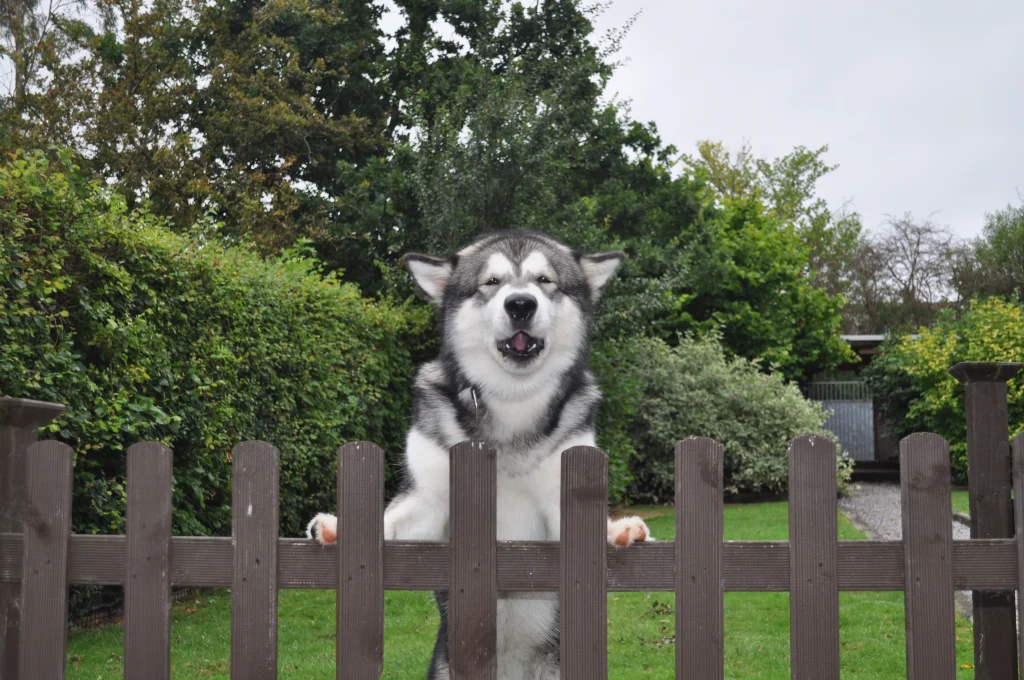
Malamutes love to dig and are extremely good at it too. They love to rearrange your flower beds, like helping to trim, or pull up a few plants and add a few holes.
You won’t be able to stop a malamute from digging but you could try to designate an area in the garden where they can dig to their heart’s content.

Alaskan malamutes have a strong “prey drive” This is part of their hunting instinct! If a malamute sees a squirrel, rabbit or even the neighbours family cat they can sometimes see it as “Fair game”. This could end with some dangerous consequences, for this reason, they should be walked on the lead, as the urge to chase is too irresistible. When malamutes are bought up with cats they accept them as part of the family pack so it’s best if you have the cat first.
Oh, one more thing in a short amount of time they can cover tremendous distances!!!